
I supplied products to TV shopping programs from 2011 to 2015. Every country has television stations and TV shopping shows, after all.
Back then, when mobile internet wasn’t yet popular, TVs were indispensable in people’s lives. Viewers trusted TV programs deeply, making TV shopping an excellent sales channel. But now, with everyone owning a smartphone, TV shows aren’t as effective as they used to be.
Why am I sharing this? Because every country has different circumstances and social environments. TV shopping has faded in China, but it might still hold great potential in yours. I hope my experience and insights can inspire you.

Key Strategies for Targeting TV Shopping:
- Focus on the middle-aged and elderly demographic: As society evolves, TV viewers are mainly middle-aged and elderly people (youngsters always have trendy tools and activities to kill time). Tailor your products to their preferences.
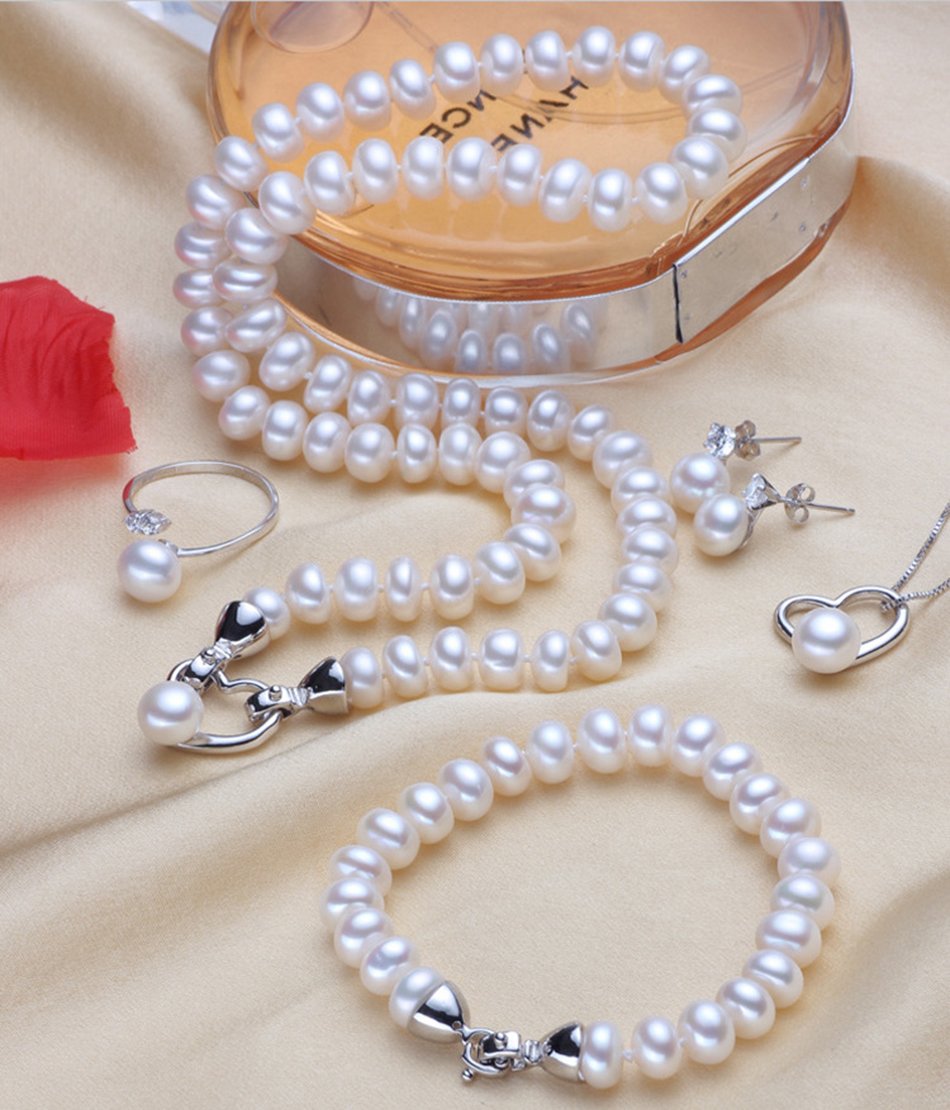
- For example, when designing pearl jewelry gift boxes, I chose red packaging. In China, red symbolizes happiness and good luck, which resonates well with older generations. Young people, however, might find red too old-fashioned.
- Emphasize cost-effectiveness and product variety: Most middle-aged and elderly consumers value “more products for a good price.” My pearl sets were designed with this in mind:
- A big red gift box containing a pearl necklace, a pair of earrings, a bracelet, a ring, and a brooch—five pieces in total. In an era before online shopping dominated, customers felt they got an incredible deal: the price of one necklace in a jewelry store could buy a full set of five items on TV.
Operational Insights:
- Inventory management with TV stations: Chinese TV stations would estimate sales based on other jewelry brands’ performance and ask me to prepare inventory in advance. Timely delivery was crucial, so we had to ensure stock was ready.
- Advantage: A single TV show could sell thousands of sets, generating hundreds of thousands in revenue.
- Risk: Overstocking if sales underperformed. To mitigate this, I partnered with multiple TV stations and exhibition organizers.
- Handling unsold inventory:
- Example: If TV Station A ordered 5,000 sets but only sold 3,000, I’d send the remaining 2,000 to Station B. After Station B sold 1,500, I’d give the last 500 to exhibition friends.
- They’d repackage the sets, play Station A’s TV commercial on a loop, and promote the products as “previously ¥599 on TV, now only ¥399.” Selling at rural and small-city exhibitions, they moved stock quickly, easing my inventory pressure.
Final Thoughts
This is just a snapshot of my experience, but the core takeaway is: if your country still relies heavily on TV and online shopping is not widespread, TV shopping could be worth exploring.
If you’re interested in pearls, feel free to contact me. With years of experience and competitive prices, I’m here to help your business thrive.